About The Safety Principles
About The Safety Principles
A leadership-based safety system built from real experience, real consequences, and a lifelong commitment to protecting people at work.
Our Foundation
Safety Is Not Compliance—It's Leadership Behavior
The Safety Principles was created to help organizations move beyond safety as a checklist and start treating it as what it truly is: a leadership responsibility.
"Safety is not compliance—it's leadership behavior when no one is watching."
For many companies, incidents are not caused by a lack of rules. They are caused by gaps in awareness, communication, accountability, and decision-making. The Safety Principles was designed to close those gaps by helping supervisors, leaders, and teams think differently, act intentionally, and lead safety in a practical, consistent way.
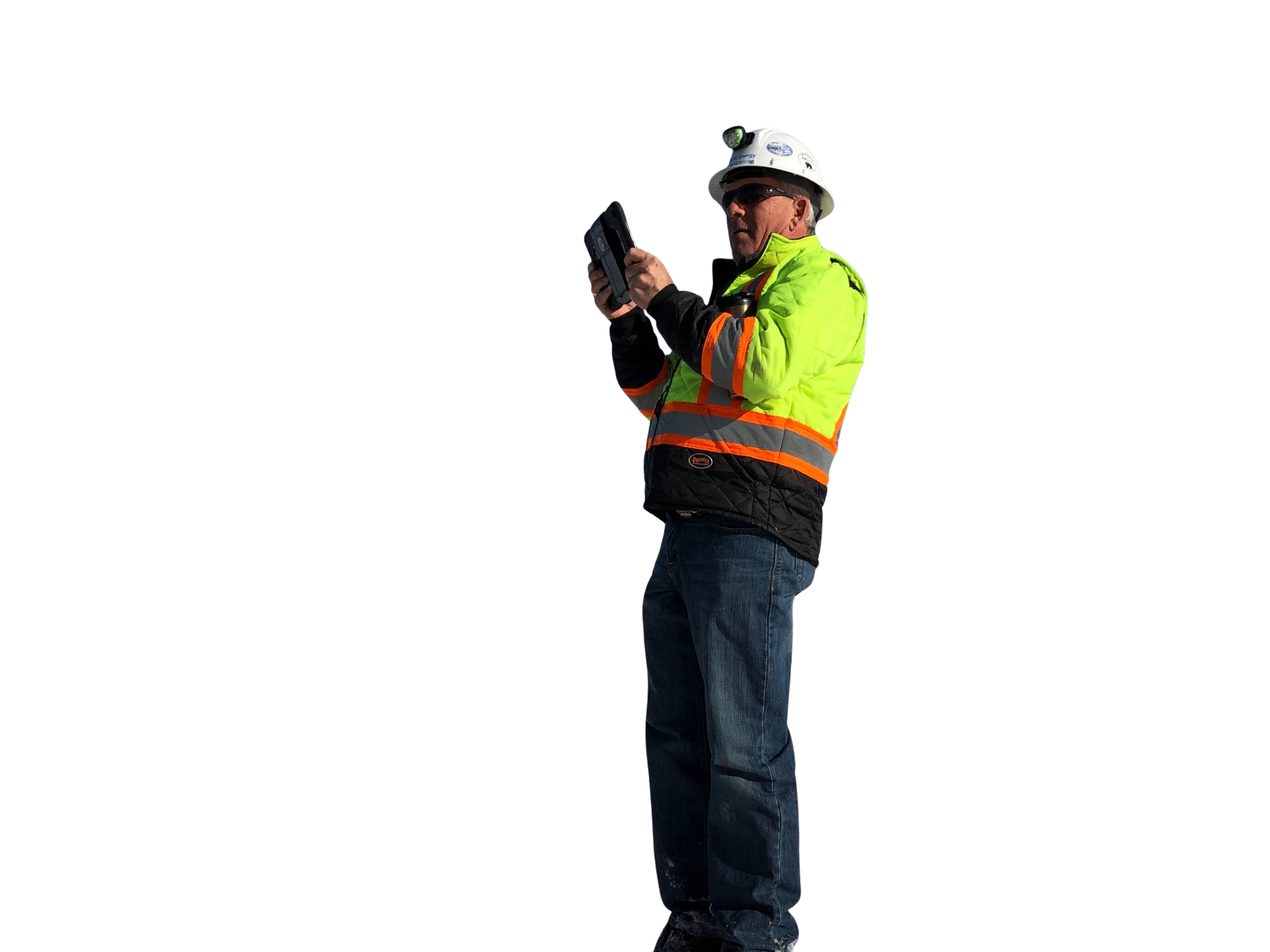
Douglas Tatlow
Founder, The Safety Principles
Canada's #1 Safety Coach
45+
Years in the Field
The Founder
Built From a Lifetime in the Field
The Safety Principles was founded by Douglas Tatlow, a safety leader, author, speaker, and coach with 45 years of industry experience in industrial, oilfield, pipeline, facilities, civil road, and construction environments.
Douglas did not build this system from theory alone. He built it from a lifetime of seeing how work really happens—how pressure affects decisions, how communication breaks down, how incidents unfold, and how leadership can either prevent harm or allow risk to grow.
Over the years, he has worked in and around high-risk environments where safety is not an abstract idea. It is personal. It affects workers, families, crews, companies, and communities. That real-world experience is what shaped The Safety Principles into more than a workshop. It became a system.
His Story
The Story of Douglas Tatlow
Douglas didn't come into safety through a classroom. He grew up in it.
From a young age, he was around heavy equipment, job sites, and the kind of work that demands attention. Diesel engines running, steel moving, mud, noise, pressure—it was all part of everyday life. The people he learned from weren't talking about safety culture or leadership frameworks. They were showing up, doing the work, solving problems, and figuring things out in real time.
That environment taught him something early:
The work doesn't care who you are.
It doesn't slow down because you're tired.
It doesn't adjust because you're rushing.
And it doesn't forgive mistakes.
From the Seat to the System
Douglas started out operating heavy equipment and working in the field. Over time, that experience expanded into multiple areas of industry:
- Construction and civil work
- Drilling operations
- Pipeline operations and pipeline construction
- Pipeline inspection and damage prevention
- Control room operations
- Facility, civil, and road works management
- Construction inspection and consulting
He has worked on the ground, in the field, in operations, and in leadership roles. He has seen how decisions are made at every level—and how those decisions affect outcomes.
Incidents are rarely random.
They are the result of patterns—of thinking, communication, and behavior.
The Moments That Stay With You
Over the course of his career, Douglas experienced two industrial fatalities firsthand.
Those are not moments anyone forgets.
They change how you see the work.
They change how you see people.
And they change how you understand responsibility.
In both cases, there were things that could have been seen, said, or done differently. Not because people didn't care—but because something in the chain broke down. Awareness. Communication. Assumptions. Pressure. Silence.
Safety is not just about procedures. It's about decisions people make in real moments.
A Different Approach to Safety
As his career progressed, Douglas stayed focused on safety—not as a requirement, but as a responsibility.
He began to see that many organizations had strong policies and systems on paper, but still struggled in the field. The gap wasn't information.
The gap was:
Building the Leadership Side
Douglas pursued training in:
He also spent over 30 years studying personal development, deepening his understanding of how people think, act, and respond under pressure.
This wasn't about moving away from safety. It was about understanding the human side of it.
Because in the end, safety is not just technical. It's behavioral.
Service and Community
Outside of industry, Douglas spent 12 years volunteering as an Auxiliary Constable with the RCMP in British Columbia and Alberta.
That experience reinforced the same principles:
Responsibility
Awareness
Communication
Accountability
Different environment—same truths.
Why The Safety Principles Was Created
Everything Douglas experienced—every job, every role, every incident, every conversation—led to one conclusion:
Safety doesn't fail because people don't know the rules.
It fails because of how people think, communicate, and act in the moment.
The Safety Principles was built to address that. It's not a collection of policies. It's not another training program.
It's a leadership system designed to:
The Personal Side
At the end of all of this, safety has never been just about work for Douglas. It's about people.
As a father of two, Douglas understands what it means to want people to come home safe. That perspective doesn't stay at home—it comes with him to the job site, to the crew, to every decision.
Because every worker out there matters to someone.
What He Stands For
Because those are the things that actually prevent incidents.
The Safety Principles is not built from theory.
It's built from a lifetime of experience—what works, what doesn't, and what happens when things go wrong.
And if it helps even one person stop, think, speak up, or make a better decision before something happens—then it's doing exactly what it was built to do.
Background
Experience That Shapes the System
Douglas brings together a rare combination of field experience, safety leadership, coaching, and personal development. His background includes:
- 45 years of industry experience in heavy construction, pipeline, oilfield, facilities, and industrial work
- API 1169 certification
- Author of The Safety Principles
- Author of Think and Work Safe
- Author of Turning Point to Safety: Stories From a Co-Worker
- Developer of a Safety Principles workshop system with more than 300 presentation slides
- Creator of a Safety Principles workbook with more than 80 pages of learning material
- Jack Canfield Train the Trainer graduate
- More than 30 years of studying personal development and leadership
- 2 years as a 9D Breathwork facilitator
- 12 years of volunteer service with the RCMP in British Columbia and Alberta
This combination of practical safety work and leadership development brings a unique perspective to the system: one that speaks to both the hard realities of the field and the human side of influence, mindset, and accountability.
The Problem
Why This System Was Created
Too often, safety training focuses only on rules, procedures, and compliance. While those things matter, they are not enough on their own.
The Safety Principles was created to address the deeper side of safety performance—the leadership behaviors, thought patterns, habits, and conversations that shape what people actually do in the workplace. This system exists to help organizations build stronger supervisors, more accountable leaders, and safer teams.
Incidents still happen when:
The Difference
What Makes The Safety Principles Different
The Safety Principles is different because it is built on more than policy. It is built on pattern recognition, personal responsibility, and real experience. It is not designed to impress people for a day. It is designed to stay with them after the workshop ends.
Leadership development
Safety culture principles
Real-world incident learning
Story-based instruction
Practical field application
Supervisor growth and accountability
By combining real stories, clear principles, practical tools, and emotional connection, The Safety Principles helps people remember what matters and why it matters.
Our Mission
Our mission is to help organizations build a stronger safety culture by developing leaders who influence behavior, improve communication, and make better decisions before incidents happen.
We believe safety leadership starts long before an incident, near miss, or injury. It starts in the small moments:
- what people notice
- what they ignore
- what they say
- what they tolerate
- and what they choose to do when no one is watching
The Safety Principles exists to strengthen those moments.
Our Vision
Our vision is to make The Safety Principles a recognized leadership system that helps workplaces everywhere move from reactive safety to intentional safety leadership.
We are building more than training programs. We are building a system that organizations can use to improve the way safety is led, communicated, taught, and lived.
From Reactive to Intentional
Before
Reactive Safety
After
Intentional Leadership
At the Core
A Personal Commitment to People
For Douglas, safety has never been just about policy. It has always been about people.
It is about the worker who should make it home safely.
It is about the family waiting for them.
It is about the co-worker who has to live with what happened.
It is about the supervisor who had a chance to speak up.
And it is about the leader who sets the tone for everyone else.
That is why The Safety Principles is grounded in practical truth, personal responsibility, and a deep respect for the lives affected by workplace decisions.
Partnership
Indigenous Partnership Statement
The Safety Principles is committed to building meaningful, respectful, and lasting relationships with Indigenous communities, organizations, and businesses.
We recognize that the land on which we work and live is the traditional territory of Indigenous Peoples, and we acknowledge their enduring connection to the land, culture, and community.
Our approach to safety aligns closely with Indigenous values of respect, responsibility, awareness, and care for one another. We believe that strong safety cultures are built on these shared principles.
Our Commitment
We are committed to:
Respectful Engagement
Working with Indigenous communities in a way that honours culture, traditions, and perspectives.
Relationship Building
Developing long-term partnerships based on trust, collaboration, and mutual benefit.
Capacity Development
Supporting training, mentorship, and leadership development opportunities within Indigenous communities.
Inclusive Safety Leadership
Integrating Indigenous perspectives into safety conversations, recognizing that safety is deeply connected to people, community, and environment.
Opportunity and Participation
Creating opportunities for Indigenous individuals and businesses to participate in and benefit from safety leadership programs.
Our Approach
The Safety Principles is not just a training system—it is a leadership system. We believe that safety is built through awareness, communication, responsibility, and accountability—values that align with many Indigenous teachings and ways of knowing.
We are committed to listening, learning, and working together to ensure that safety leadership is inclusive, culturally respectful, and meaningful for everyone involved.
Moving Forward Together
We understand that meaningful partnerships require time, respect, and consistent action. Our commitment is to continue learning, improving, and building relationships that contribute to safer workplaces and stronger communities.
Closing Statement
Safety is about people.
It is about looking out for one another, speaking up, and making decisions that protect lives.
Through partnership and shared understanding, we believe we can build safer workplaces and stronger futures—together.
The System
The Safety Principles Is a System—Not Just a Workshop
With a foundational book, a complete workshop program, a detailed participant workbook, story-based learning tools, and decades of real-world experience behind it, The Safety Principles is designed to help organizations create lasting change.
This is not about checking a box. This is about building leaders who think clearly, speak up early, act responsibly, and create safer workplaces through the example they set every day.
Foundational Book
The Safety Principles — a complete reference for the system
Workshop Program
300+ presentation slides built for real-world delivery
Participant Workbook
80+ pages of structured learning material
Story-Based Learning
Real incidents, real lessons, real impact
Decades of Experience
45 years of field-tested knowledge behind every session
Take the Next Step
Let's Build Stronger Safety Leadership Together
If you are ready to strengthen your supervisors, improve accountability, and build a safer workplace culture, The Safety Principles is ready to support that journey.